Black truffle, fojata, attorta, salted ricotta, Vigi trout: if it’s your first time in Valnerina, these are some of the names worth knowing before you sit down to eat. Truffles grow in the woods of the Umbrian Apennines; fojata and attorta belong to Sellano’s culinary tradition; salted ricotta comes from the valley’s sheep farming; and trout is tied to the waterways running through this part of Umbria. Knowing what these are and where they come from makes it easier to navigate restaurant menus and to understand what to eat in Valnerina during a stay.
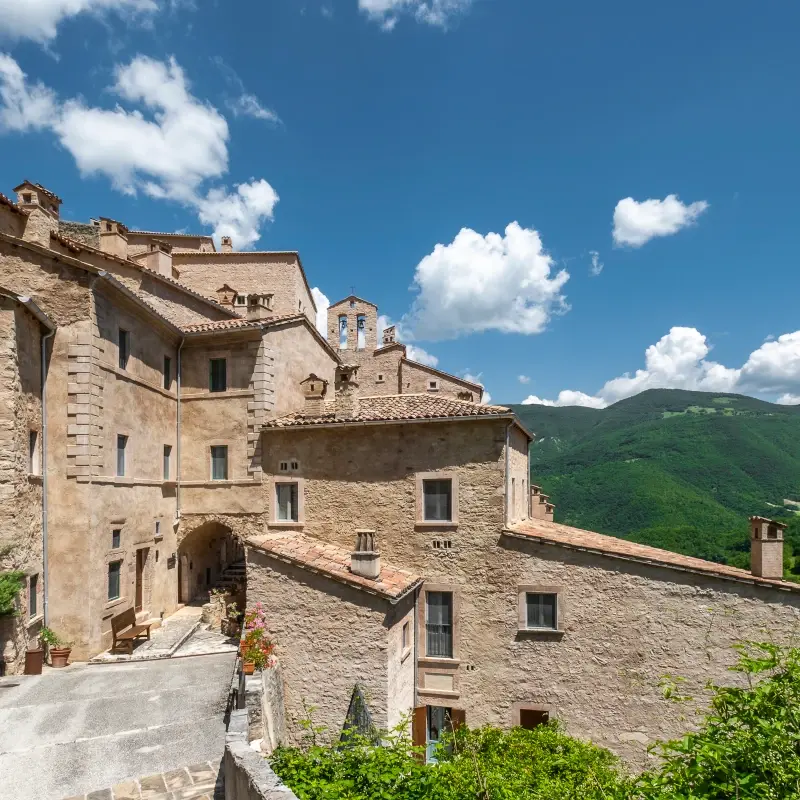
At Castello di Postignano, this culinary heritage is also part of everyday life in the hamlet. Since 2026, the kitchen at La Casa Rosa has been in the hands of Andrea and Ilaria of Re Tartù, together with chef Leonardo, with a cuisine built on carefully selected ingredients, seasonality and Umbrian tradition.
Fojata and attorta: what to try in Sellano
For anyone wondering what to eat in the Sellano area, two names come up again and again: fojata and attorta. They are quite different preparations — one savoury, one sweet — and are so much a part of local tradition that both have been awarded De.C.O. status (Denominazione Comunale di Origine, or Municipal Designation of Origin).
La Fojata è una torta salata arrotolata preparata con una sfoglia molto sottile di pasta matta. All’interno trovano posto verdure a foglia come bietole, spinaci o erbe di campo; pecorino e altri ingredienti possono variare in base alla ricetta. È una preparazione diffusa in Valnerina e particolarmente legata alla cucina sellanese.
Attorta, on the other hand, is a sweet with a distinctive rolled shape. In Sellano’s traditional version, the filling includes nuts, amaretti biscuits and spices, with numerous family variations handed down over the generations. It’s made mainly during the winter months and for the Sagra della Fojata e dell’Attorta, a food festival held in Sellano every August.
Both make excellent starting points for getting to know the local cuisine, as they belong directly to the municipality in which Castello di Postignano stands.
Truffle, star of Valnerina’s cuisine
Umbrian black truffle is probably the ingredient most immediately associated with Valnerina. Several varieties are gathered across the area, and their use changes with the seasons. In Sellano, truffle appears alongside other woodland produce such as porcini mushrooms and chestnuts, and is used in many local dishes. Today, the connection with Castello di Postignano also runs through Re Tartù. Andrea and Ilaria, who now lead the new kitchen at La Casa Rosa, built their professional project around Umbrian cuisine and truffle specifically. Their arrival in the hamlet therefore brings to La Casa Rosa a specific expertise in one of the region’s signature ingredients.
For those who want to go further, tasting can also become an experience: among the activities Castello di Postignano offers in the surrounding area are opportunities for truffle hunting and for getting to know local producers.
Trout from the River Vigi
Among the lesser-known products for first-time visitors to the area is Vigi trout. The River Vigi runs through the Sellano area, and trout has long featured in local cooking — so much so that the municipality’s own tourism sources list it among the area’s specialities alongside woodland produce and cured pork. It’s an interesting one, as it broadens the idea many people have of Umbrian cuisine, which is often associated chiefly with meat, cured meats and truffle. In Valnerina, water has played an important part in the life and diet of local communities, and river fish remains a living reminder of that on local tables.
Cheeses and salted ricotta: the tradition of sheep farming
For centuries, the mountains here have favoured sheep farming and cheesemaking. Among the Umbrian cheeses linked to Valnerina are pecorino varieties with different ageing periods, while one of the most distinctive products is Valnerina’s salted ricotta, a Slow Food Presidium since 2019. Made from sheep’s milk, it originated from shepherds’ need to preserve ricotta during the seasonal movement of flocks. It’s a concrete example of how some foods now highly prized began as practical solutions to mountain life, becoming, over time, part of the valley’s food culture.
Lentils and saffron: other products to know in Valnerina
Valnerina takes in some very different areas, and a few of its most celebrated products come from further afield from Sellano. Lenticchia di Castelluccio di Norcia IGP (Castelluccio di Norcia PGI lentils) is grown on the karst plains of Castelluccio, at an altitude of around 1,500 metres, within the Monti Sibillini National Park. Its small size and thin skin make it ideal for soups and side dishes, with no need for pre-soaking.
Cascia, meanwhile, has a long tradition linked to saffron, still grown and hand-harvested today. It’s one of the Umbrian areas associated with producing this spice, alongside Città della Pieve, Gubbio and Spoleto. It’s worth distinguishing these from Sellano’s own specialities: they belong to a broader gastronomic heritage encountered as you move through Valnerina, and they show just how much the food on offer can change within the same geographical area.
La Casa Rosa: the kitchen of Castello di Postignano
For guests staying in the hamlet, the main point of reference is La Casa Rosa, Castello di Postignano’s trattoria. The current offering is a genuine ‘cucina delle radici’ — a cuisine of roots: rooted in raw ingredients, seasonal knowledge and traditional flavours, while leaving room for a contemporary interpretation. The kitchen uses carefully selected local ingredients, and the menu follows the availability of produce throughout the year. Since 2026, La Casa Rosa has begun a new chapter with Andrea and Ilaria of Re Tartù and chef Leonardo. The project brings together the experience built up by Re Tartù with the hamlet’s culinary identity, choosing Umbria as its precise point of reference.
Taste at Castello di Postignano beyond La Casa Rosa
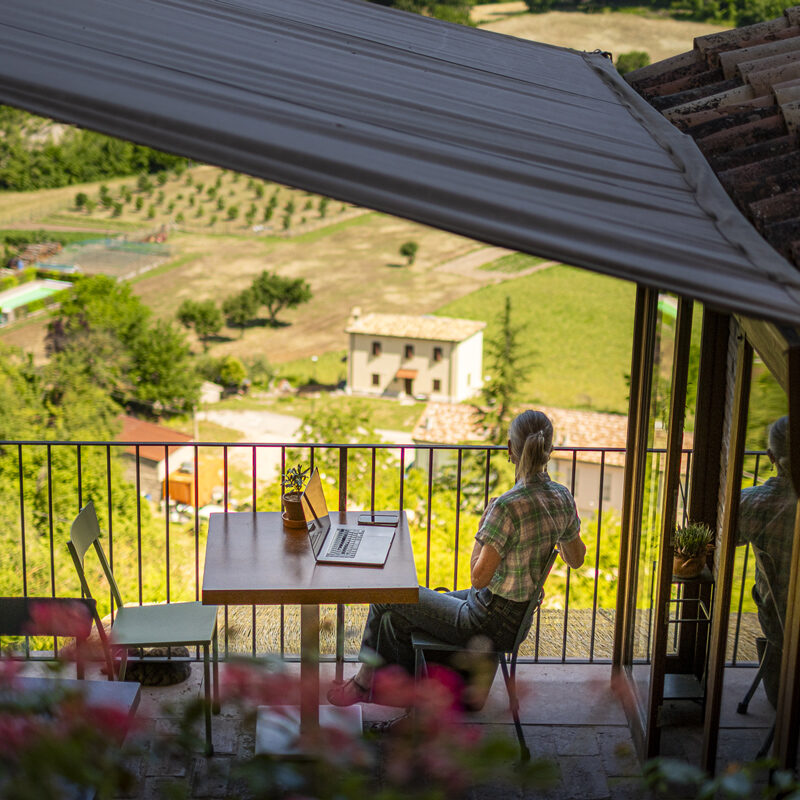
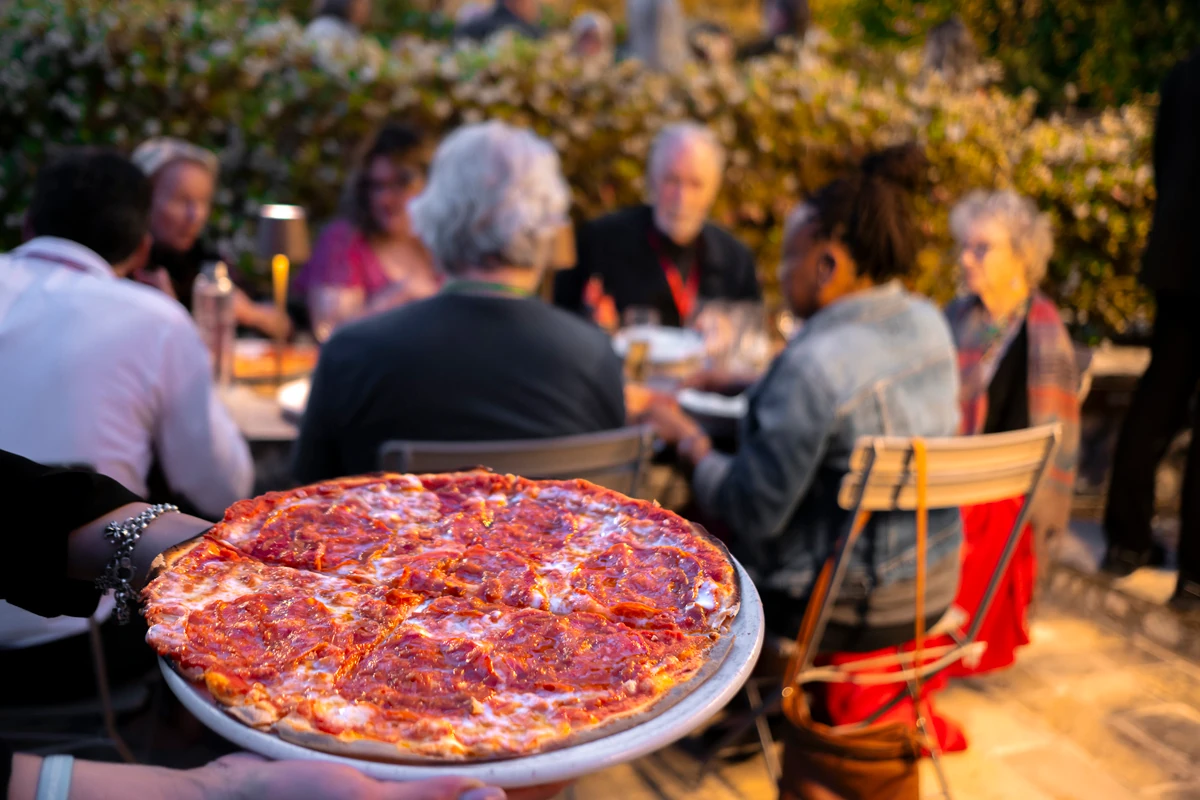
The relationship with food continues in other spaces around the hamlet too. At Terrazza Café, you can enjoy a glass of wine or a cocktail alongside small traditional bites. Vini & Oli is the shop dedicated to local wines and gastronomic specialities, also a good way to get to know certain products outside mealtimes. On Monday evenings, the Antico Forno wood-fired oven comes into its own, serving wood-fired pizza, while the Tavola Rossa is used for private events and cookery classes. These are different options to choose from depending on the length of your stay and how you want to experience Castello di Postignano.
Discover the food and wine offering at Castello di Postignano and book your stay.